
Recognizing the signs of gambling addiction and seeking help
Understanding Gambling Addiction
Gambling addiction, often referred to as compulsive gambling, is a psychological disorder where an individual feels an uncontrollable urge to gamble despite the negative consequences that may arise. This condition can affect anyone, regardless of age, gender, or socioeconomic status. The thrill of gambling can create a temporary escape from reality, but for some, it morphs into a harmful habit that consumes their lives and relationships. Many players find themselves engaging with aviator due to its thrilling nature, which can quickly tip into compulsive behavior.

Recognizing the psychological aspects of gambling addiction is crucial. Many individuals may begin gambling as a form of entertainment but slowly find themselves drawn deeper into a cycle of betting, loss, and recovery attempts. The emotional rollercoaster of highs and lows can lead to anxiety, depression, and even suicidal thoughts, highlighting the urgent need to understand the signs and seek help.
Moreover, gambling addiction often coexists with other mental health issues, such as depression and substance abuse. This duality can complicate the treatment process, making it essential for those affected to seek professional support. Understanding these nuances is the first step in addressing the problem and embarking on the path to recovery.
Signs of Gambling Addiction
Identifying the signs of gambling addiction is vital for early intervention. One common indicator is the preoccupation with gambling, where individuals frequently think about their next bet or reflect on past gambling experiences. This fixation can lead to neglecting personal relationships and responsibilities, further exacerbating the situation. Family and friends might notice that the individual withdraws from social activities or loses interest in hobbies they once enjoyed.
Another critical sign is the tendency to gamble with increasing amounts of money to achieve the same level of excitement. This phenomenon, known as “chasing losses,” often leads individuals to place larger bets in hopes of recovering lost funds, creating a dangerous cycle. The inability to stop gambling despite wanting to, often accompanied by feelings of guilt or remorse, further underscores the severity of the addiction.
Additionally, those struggling with gambling addiction may resort to deceit to hide their behavior. This can manifest as lying about gambling activities, borrowing money, or engaging in risky financial behaviors to fund their gambling. Such actions can severely damage trust in relationships and contribute to feelings of isolation, making it even more difficult for the individual to seek help.
The Psychological Impact of Gambling Addiction
The psychological impact of gambling addiction can be profound and multifaceted. Many individuals experience heightened stress and anxiety, which can lead to further compulsive behavior as they seek to escape these feelings. This vicious cycle of gambling to cope with stress creates a dangerous loop, making it challenging for individuals to break free from their addiction.
Moreover, the stigma surrounding gambling addiction can lead to shame and embarrassment, preventing those affected from seeking help. Many may believe that they are alone in their struggles or that they should be able to control their impulses. This mindset can be detrimental, as it often results in delayed treatment and worsening of their condition.
Therapeutic interventions, such as cognitive-behavioral therapy, have proven effective in addressing the psychological aspects of gambling addiction. These therapies help individuals recognize and modify the thoughts and behaviors contributing to their addiction. Understanding that recovery is possible and that many resources are available can empower individuals to take the necessary steps toward a healthier lifestyle.
Seeking Help for Gambling Addiction
Seeking help for gambling addiction is a critical step in the recovery journey. Many individuals may initially feel hesitant due to feelings of shame or fear of judgment. However, it is important to remember that asking for help is a sign of strength, not weakness. Support groups, counseling, and hotlines can provide essential resources for those struggling with gambling addiction.
Professional treatment programs are often tailored to address individual needs, encompassing therapy and support systems. For many, participating in group therapy can foster a sense of community and understanding among those facing similar challenges. Sharing experiences and coping strategies can enhance the healing process and create a supportive environment that promotes recovery.
Furthermore, loved ones play a crucial role in supporting individuals on their path to recovery. Educating oneself about gambling addiction and its effects can empower families to provide appropriate support and encourage their loved ones to pursue treatment. Open communication can help bridge the gap and create a nurturing atmosphere for recovery.
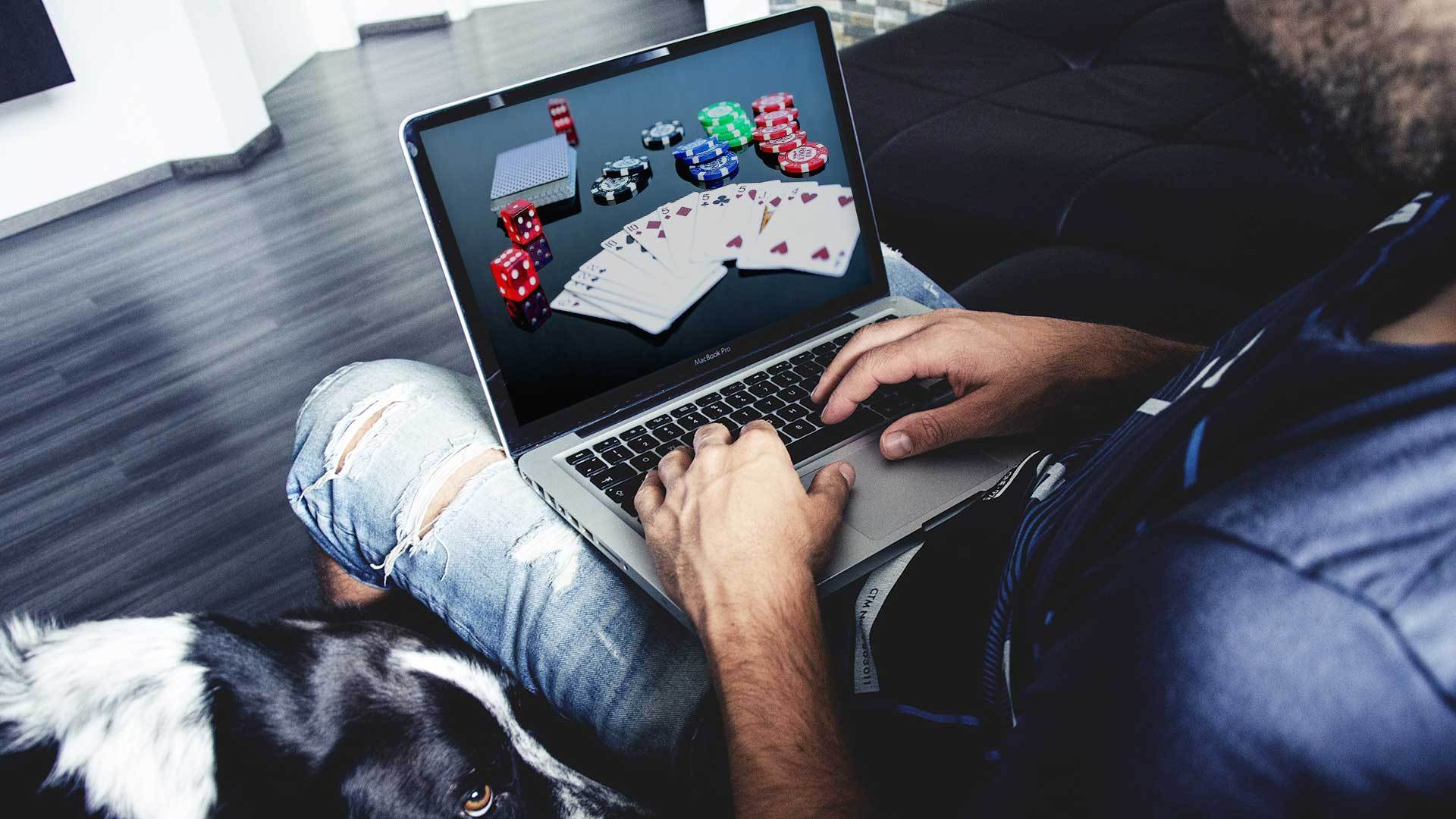
Why Choose Responsible Gaming Platforms
Choosing responsible gaming platforms is essential for fostering a safe and enjoyable gambling experience. Many online casinos prioritize player safety, offering tools and resources to help individuals manage their gambling habits. These platforms may provide options for setting deposit limits, self-exclusion, and access to support services.
By selecting reputable sites, players can enjoy the thrill of gaming while minimizing the risk of developing harmful habits. Responsible gaming initiatives promote awareness and education, emphasizing the importance of recognizing the signs of addiction and encouraging players to seek help when needed. Ultimately, creating a safe gaming environment is vital in mitigating the risks associated with gambling.
In conclusion, the journey through gambling addiction can be challenging, but it is essential to remember that help is available. By recognizing the signs of addiction and understanding its psychological impact, individuals can take proactive steps toward recovery. Engaging with responsible gaming platforms can further support a healthy approach to gambling and empower players to make informed choices.